
Home >>Local
Luxembourg robotics project takes root in Zhengzhou Airport Economy Zone
Source:ihenan.top
Published:2026-07-13 22:41
In September 2025, a Luxembourg-based robotics initiative commenced construction in Zhengzhou Airport Economy Zone (ZAEZ), leading to its first product launch in June. The project, driven by the R&D and manufacturing company SolarCleano, focuses on creating robots for photovoltaic panel cleaning, merging "solar" energy with "clean" technology.
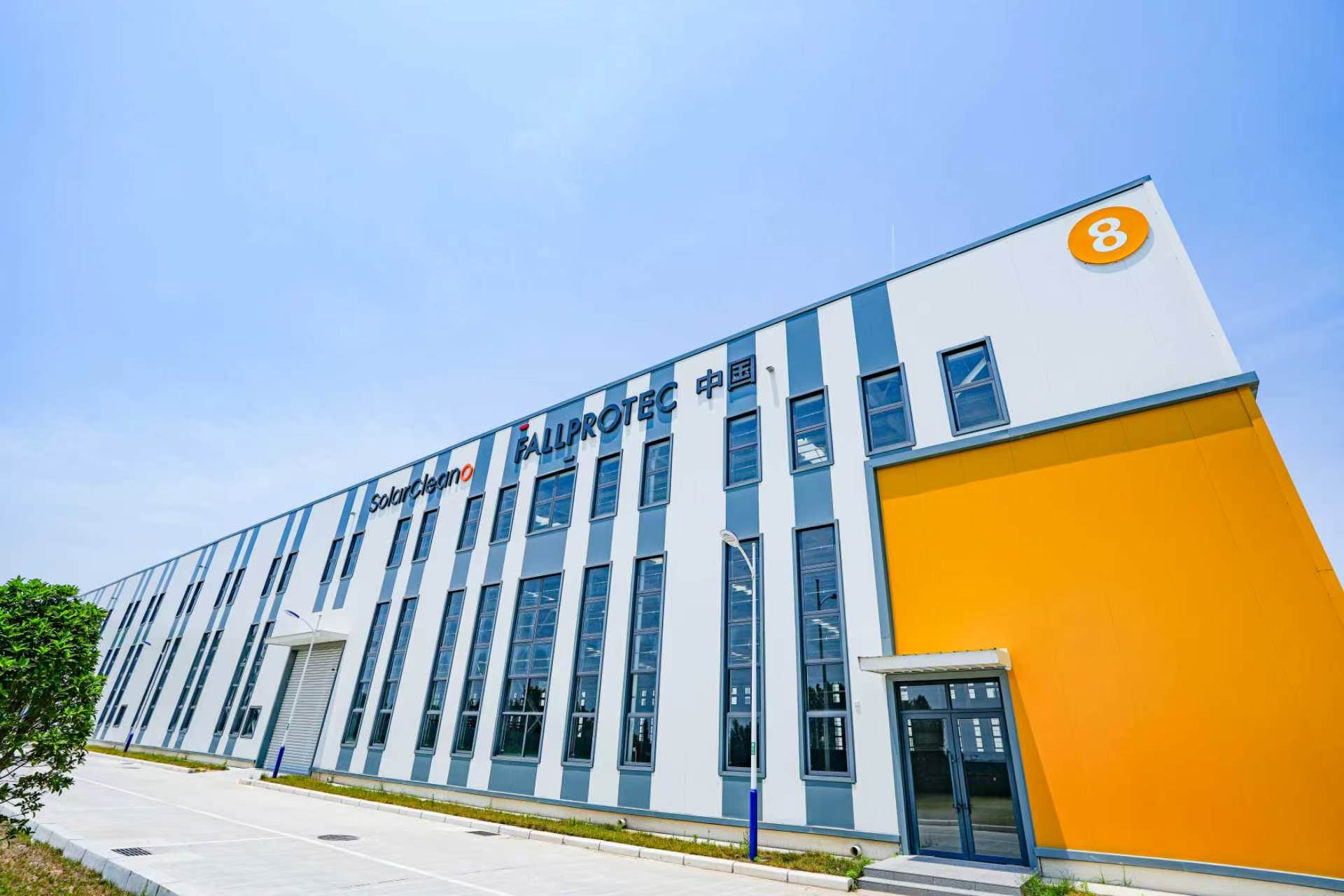
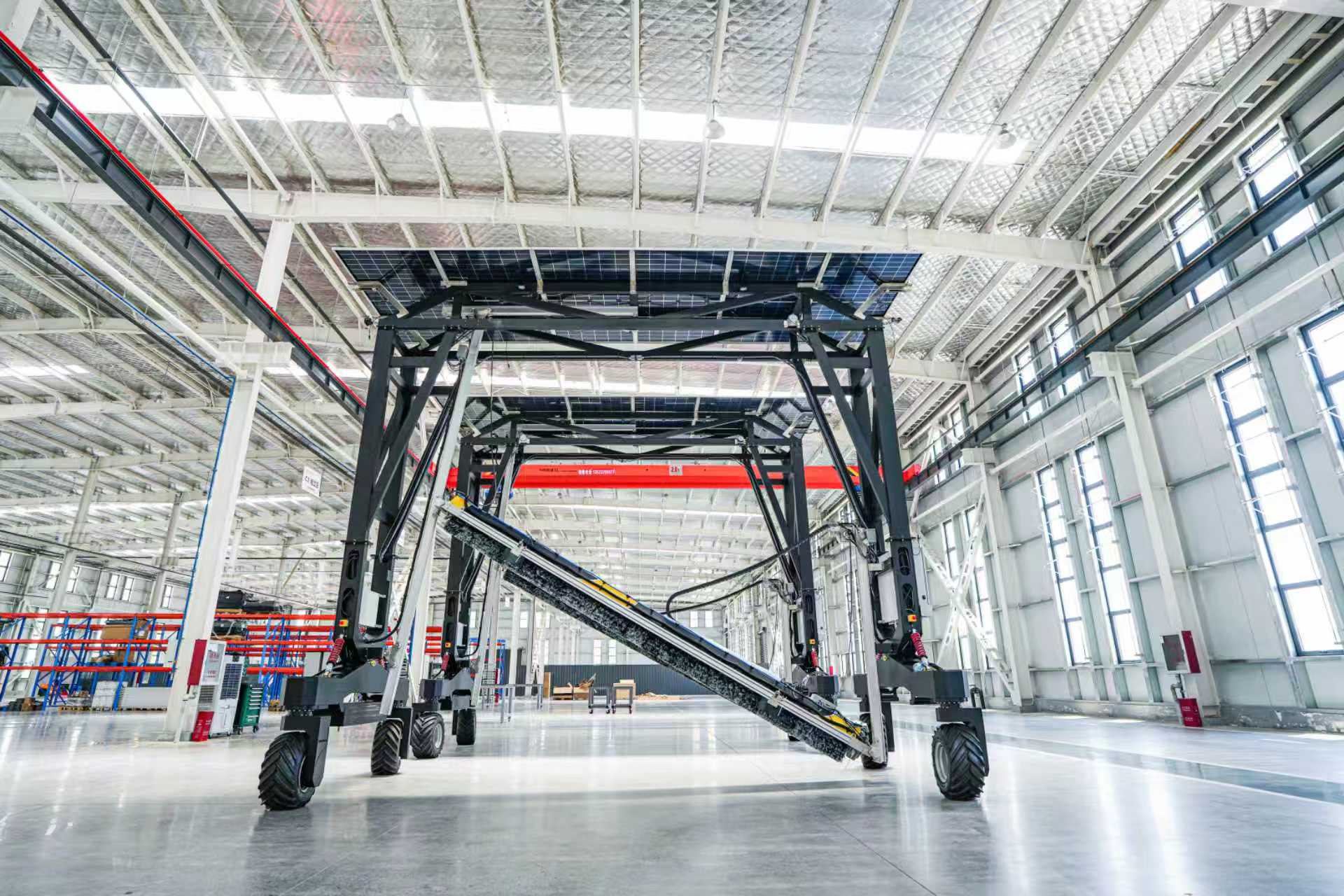
Recently, Dahe Fortune Cube reporters visited Kunda Industrial Park in ZAEZ, where two newly upgraded Model C1 large-scale photovoltaic operation and maintenance robots were unveiled. Each robot, approximately 7 meters tall and 6 meters wide, boasts a sturdy frame akin to a giant steel gate, designed for efficient traversal and cleaning of solar panels.
Christophe Timmermans, CEO of SolarCleano, traveled from Luxembourg to witness the launch of these robots, marking their debut production in China. He highlighted the product's primary advantage: its ability to autonomously clean vast solar power stations. Each robot can clean up to 15 megawatts of solar panels daily, setting a new benchmark in the industry.
These advanced machines operate fully automatically, achieving a cleaning efficiency exceeding 99.5%. They offer comprehensive automated solutions suitable for challenging terrains, including desert and Gobi regions in northwest China.
Shi Xianjun, General Manager of SolarCleano (China), spoke with Dahe Fortune Cube about the recent upgrade of their Model C1 robots. "This large robot is transitioning towards a more localized supply chain. We aim to assemble 20 to 30 units by the end of this year, with plans to deliver over 500 robots globally in the next three years."
China's photovoltaic industry continues to thrive, with the country's installed solar power capacity reaching 1.25 billion kilowatts by the end of April this year—a year-on-year increase of 26.2%. This rapid growth highlights the expansive opportunities in the photovoltaic panel cleaning sector.
This promising market landscape was a decisive factor for SolarCleano's choice to establish manufacturing in China, as the country's vast market potential motivated the decision to set up a local factory.
In 2023, SolarCleano began its journey in the Chinese market by launching its regional operations division. With the establishment of its first overseas production base in ZAEZ, the company has made a significant move in its global expansion strategy.
Why did SolarCleano settle in Henan? The Zhengzhou–Luxembourg Air Silk Road's robust cooperation base was the deciding factor.
Christophe Timmermans highlighted the close Zhengzhou-Luxembourg links, including direct air routes. " What impressed us most during our site visit was the ZAEZ team's thoughtful hospitality. They presented multiple factory plots, allowing us to pick the ideal site," he said.
Shi added that three major strengths of ZAEZ attracted SolarCleano: unobstructed opening channels, huge market potential and a mature business ecosystem. Boasting full port services, bonded logistics and comprehensive cross-border trade infrastructure, the zone easily covers China's domestic market while reaching Europe and Asia via its air network—an ideal fit for the firm's global supply chain layout.
"China is shifting into a hub of genuine independent innovation," Christophe Timmermans commented. " With this SolarCleano project, we will tap China's resource edges to boost R&D and embed state-of-the-art tech into our PV robots." (Reporters: Cheng Shuaixing and Zhang Keyao Translator: Cui Wenqi Intern: Meng Qirui)
Editor:Zhou Jinmiao