
Home >>Local
Chinese Mainland's Premium Hotpot Brand Banu to Unveil Its First Store in Hong Kong
Source:ihenan.top
Published:2026-07-27 18:04
Banu, a premium hotpot brand from Chinese mainland , is set to launch its first store in Hong Kong at Hysan Place in Causeway Bay's bustling commercial district this mid-November. This marks Banu's first foray outside the mainland and initiates its global expansion strategy, aiming to introduce its product-centric approach to Hong Kong consumers.

Unlike many hotpot brands that compete primarily on service and value, Banu has prioritized product excellence for the past 25 years since its establishment in 2001. According to Frost & Sullivan, Banu leads China's premium hotpot segment, where the average customer spends over RMB 120. Its unwavering commitment to quality has allowed the brand to maintain a significant market share, distinguishing itself from mass-market chains that focus on traffic-driven strategies. Banu emphasizes high-quality ingredients, original recipes, and strict quality control, positioning itself as a symbol of upscale hotpot dining in Chinese mainland.
The brand has consistently invested in product innovation and supply chain enhancements, creating a robust ingredient supply system. Signature offerings such as Hand-Shredded New Zealand beef tripe, freshly simmered wild mushroom soup from the Yunnan-Guizhou Plateau, soybean sprouts, and hand-pulled noodles have redefined traditional Sichuan-style hotpot. Banu's appeal has resulted in large crowds and long wait times, highlighting consumer recognition of premium dining.
According to Banu's latest prospectus and Frost & Sullivan research, the brand has climbed from third to second place in China's overall hotpot market. In 2025, Banu reported total revenue of RMB 2.846 billion, marking a year-on-year growth of 23.4%, while adjusted profits surged 88.7% to RMB 320 million. The table turnover rate reached an impressive 3.6 times per day, up 0.4 times from the previous year, with operating margins remaining well above industry averages.
As of July 2026, Banu operates over 200 stores across 57 cities in China. The company has experienced significant growth, opening 25, 35, and 44 new stores from 2023 to 2025, reflecting an accelerated expansion.
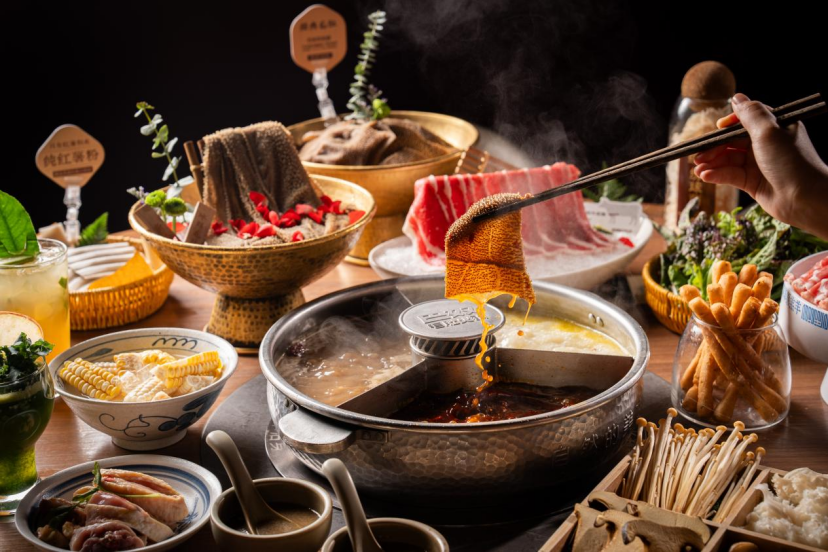
Industry experts are optimistic about Banu's entry into the Hong Kong market, which has long been dominated by local flavors and luxury seafood hotpot options. This leaves a gap for premium brands from Chinese mainland, which Banu aims to fill in the mid-to-high-end segment.
Zhu Danpeng, vice chairman of the Guangdong Provincial Food Safety Promotion Alliance, emphasized that Banu's strong end-to-end supply chain and standardized management practices enhance product quality, lower costs, and boost efficiency, providing competitive advantages that smaller premium hotpot players may struggle to match.
As Banu prepares for a Hong Kong IPO, the city represents not only a gateway to global markets but also a strategic platform to demonstrate the brand's resilience and operational capabilities to international investors.
Industry analysts in the catering sector believe that Banu's entry, along with other Chinese mainland brands, will enhance the local dining scene while driving a shift toward quality-focused competition. This change is expected to positively impact supply chain management and promote healthy dining practices. As Hong Kong diners increasingly seek ingredient transparency and health-conscious options, these trends align perfectly with Banu's core values.
Wong Sze Man, head of Tourism and Hospitality at Invest Hong Kong (InvestHK), pointed out that Hong Kong provides an ideal testing ground for catering brands aiming for globalization. The city's diverse consumer base allows for effective gauging of new food concepts, while the influx of international tourists fosters organic word-of-mouth marketing. "Hong Kong people love novelty and are eager to try new restaurants and dishes," she noted, emphasizing that brands offering strong value and exceptional dining experiences are likely to see significant growth.
Many Hong Kong food enthusiasts have expressed their excitement for a Banu store on social media. "I queue up every time I go to Shenzhen; now I can finally enjoy it without needing to cross the border," one user wrote. Others highlighted that Banu's premium beef tripe and rich mushroom soup are "hard to match" by any local hotpot restaurant. Additionally, many young consumers cited the brand's late-night dining service as a significant attraction. Food bloggers have dubbed Banu's Shenzhen locations "a new landmark for late-night meals," and they hope that the Hong Kong store will offer similar late-night options.
Editor:Zhou Jinmiao